
 Facebook
 X
X
 Pinterest
 Copy Link
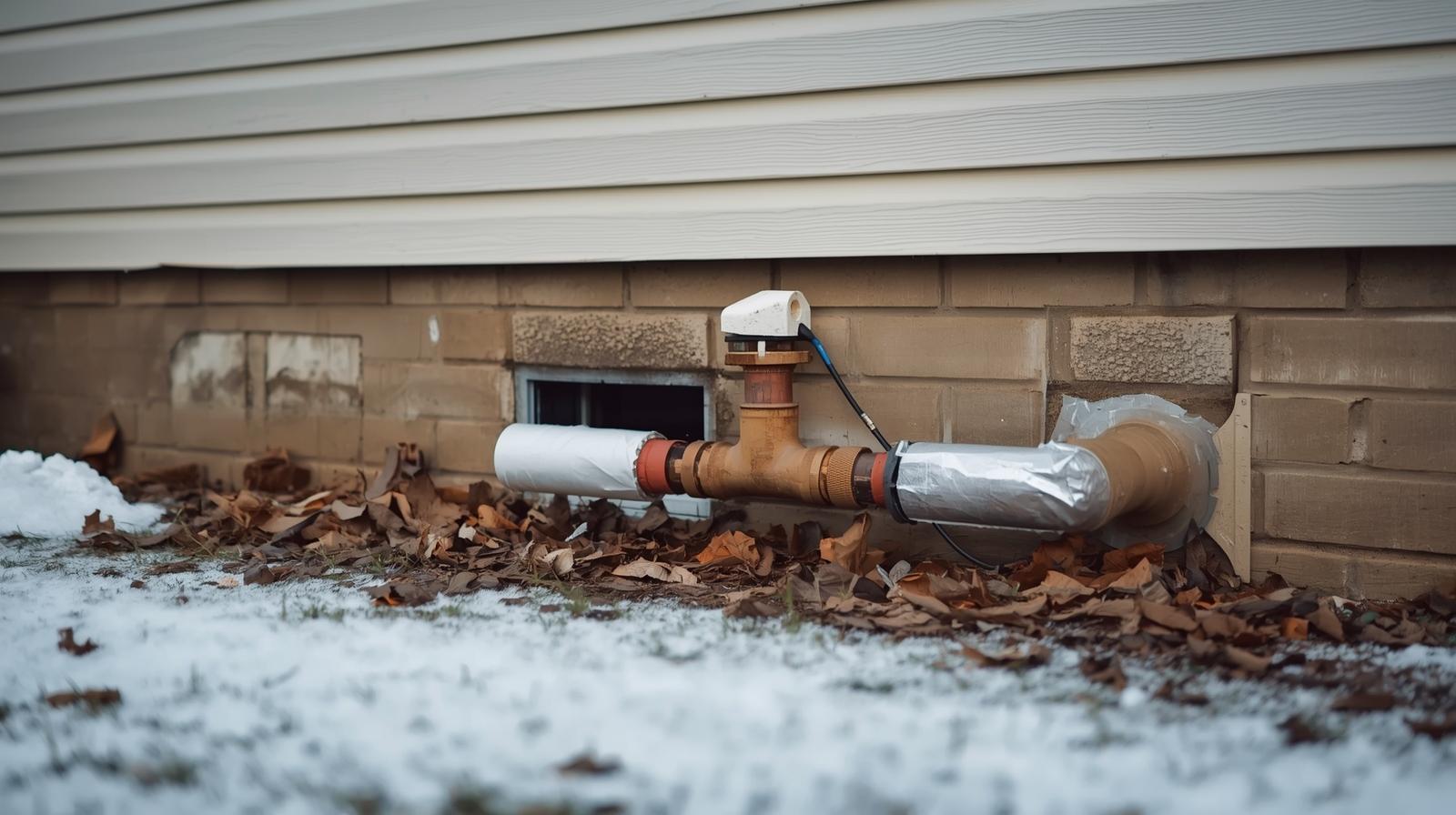
A step-by-step guide for Maine homeowners
Winter in Maine doesn’t play. When temps plunge, frozen pipes can turn into burst pipes fast — and that leads to expensive water damage. Here’s a simple, homeowner-friendly checklist to keep your plumbing protected all season long.
1. Insulate the Cold Spots First
Target areas that freeze fastest:
-
Basements
-
Crawlspaces
-
Garages
-
Unheated additions
-
Behind kitchen or bathroom cabinets on outside walls
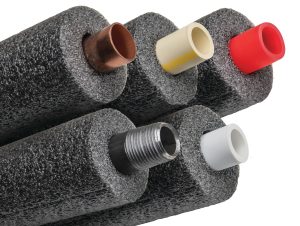
Use foam pipe sleeves or heat tape on any exposed or vulnerable pipes.
2. Seal the Drafts
Cold air sneaking in around your home can drop pipe temps quickly.
Check for gaps around:
-
Foundation cracks
-
Sill plates
-
Exterior vents
-
Windows + doors in utility spaces
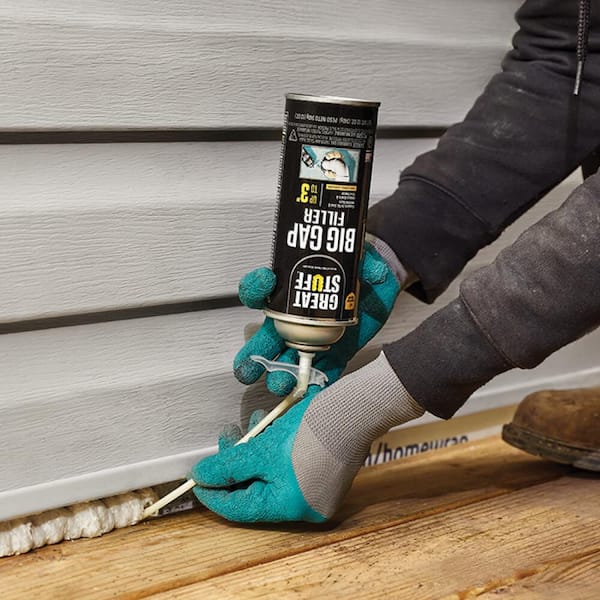
A little caulking or spray foam goes a long way.
3. Keep Warm Air Circulating Indoors
On frigid nights:
-
Open cabinet doors under sinks
-
Keep interior doors open
-
Avoid shutting off heat to “unused” rooms
You’re helping warm air reach the pipes behind your walls.
4. Let Faucets Drip During Extreme Cold
On nights below zero, turn on a slow drip for:
-
Sinks along exterior walls
-
Any area that’s frozen in the past
-
Bathrooms over unheated spaces
Moving water is harder to freeze.
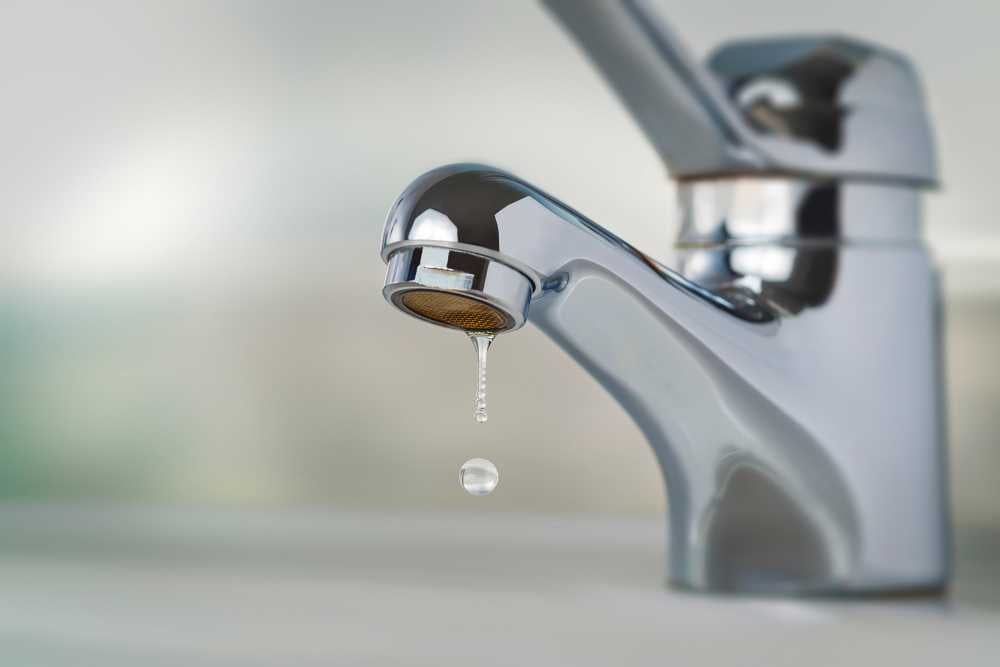
5. Disconnect & Drain Exterior Faucets
Shut off the interior valve feeding your outdoor spigot and let the line drain fully.
Even “frost-free” hose bibs can burst if left connected.
6. Know Where Your Main Shut-Off Valve Is
If something does freeze or burst, shutting off the water fast can save thousands in damage.
Make sure the valve:
-
Turns easily
-
Is labeled
-
Everyone in the home knows how to find it
7. If a Pipe Freezes… Don’t Panic
Try these steps:
-
Turn off the water supply
-
Open the faucet
-
Warm the pipe slowly with a hair dryer or space heater
-
Never use an open flame
If you can’t access the frozen spot — call a plumber ASAP.


